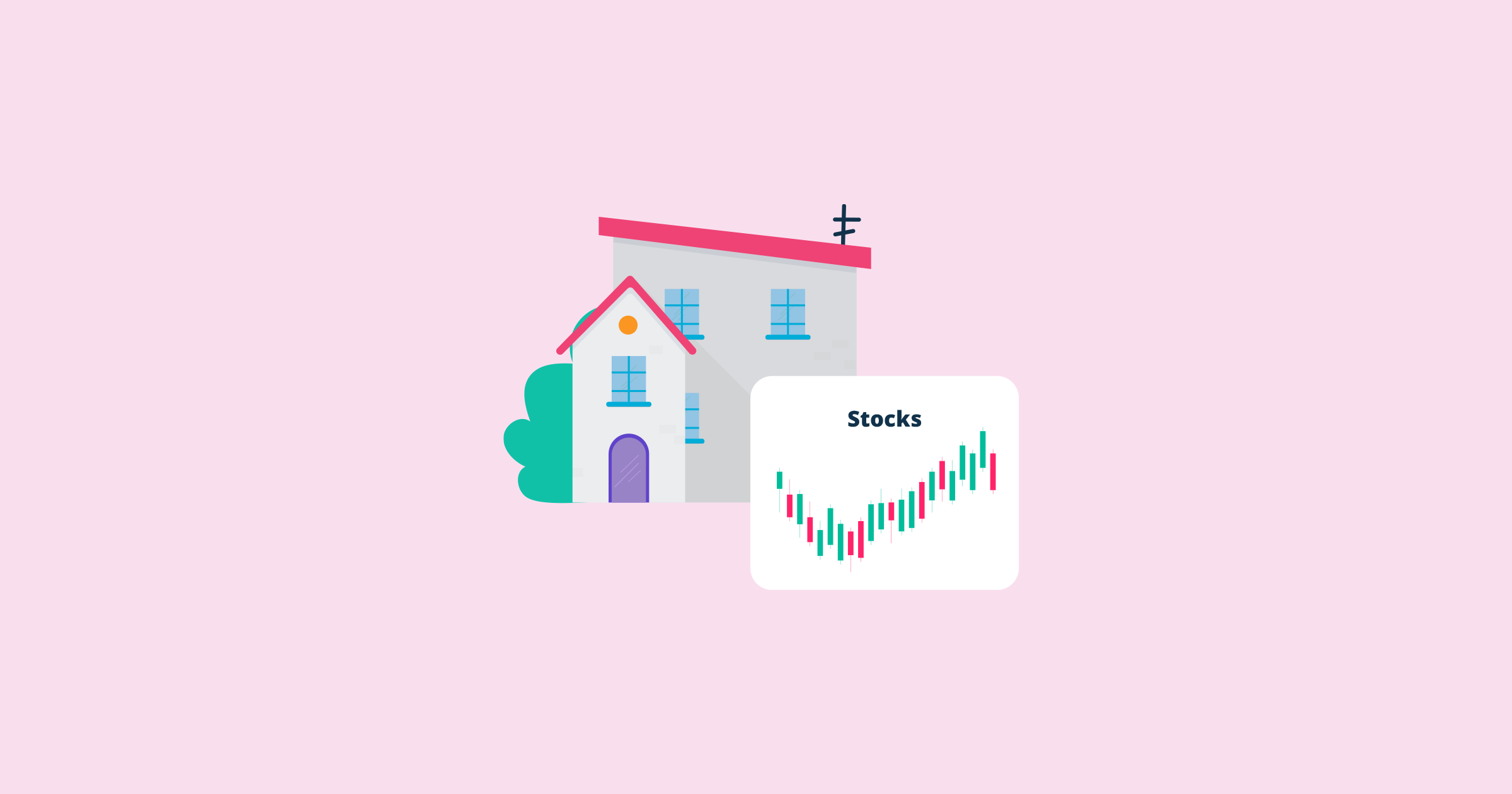
An asset is anything you own that has monetary value. Some assets are used in everyday life, while others may support your money goals like building financial security or wealth.
There are assets that may even serve both purposes. When choosing where to put your money, it helps to know the difference between real assets and financial assets.
Learn what each type means and how both may help you with your goals.
What are real assets and financial assets?
Real assets are things you can touch and see. Their value generally comes from their physical qualities and usefulness in the real world.
Take real assets like houses and land, for example. A house is valuable because it provides shelter while land has value due to its potential uses in agriculture and real estate developments, among others.
Real assets also include precious metals like gold and silver, commodities including oil, rice and coffee, and even collectibles like art and vintage cars.
Meanwhile, financial assets represent a claim on money or future income. These assets aren’t tangible though they may take on a physical form via paper certificates or documents.
Their value is often based on the worth of an underlying asset. For example, a stock has value because it represents ownership in a company that (hopefully) makes money and distributes profits to investors.
Aside from stocks, common financial assets include bonds, mutual funds, and savings and time deposit accounts.
Pros and cons of investing in real assets vs. financial assets
Is it smarter to buy real assets or to put money in financial markets? There are key differences to know when making your choice:
- Accessibility
Financial assets are generally much easier to start with as a beginner investor. You can open an investing account online and buy stocks or bonds at a lower starting amount than it takes to buy a house.
Additionally, pooled funds can make investing in baskets of financial assets even more affordable for beginners. These funds allow you to invest at a fraction of the cost of buying individual assets.
On the other hand, real assets tend to require much more money upfront. Buying a house, for example, usually means saving for a downpayment and securing a loan that can easily amount to over a million pesos.
Some investment vehicles like Real Estate Investment Trusts (REITs) let you put money in real assets through financial markets, since directly owning the physical assets has a higher barrier to entry.
- Liquidity
Liquidity is how quickly and easily you can convert your investment into cash.
Financial assets generally have an advantage here. It can be easier to sell stocks and bonds than it is to find a buyer for a house or for collectibles.
If you need cash quickly, low liquidity can be a challenge. However, this may not be a big problem if you have enough cash for emergencies and won’t need to take money out of investments in the short term.
- Growth potential
Real assets are widely valued for their potential to withstand the effects of inflation and market volatility, especially assets like real estate and gold.
Since they have a “perceived” value and supply is limited, the worth of certain real assets may remain steady or even increase despite what’s happening in the economy or financial markets.
Meanwhile, financial assets primarily generate value in 2 ways: potential appreciation (the asset increases in price) and income (like dividends from stocks or interest from bonds).
Their growth depends on many factors like company performance, government policies, and investor sentiment. Investors can estimate their “intrinsic” value based on these factors when buying or selling.
However, it’s challenging to predict how financial assets will go up or down in value, and when this might happen.
Note that real assets tend to come with maintenance costs that can eat into returns. The cost of repairing a house or securing precious items can be larger than the fees you’ll pay when trading financial assets.
Which is a better option?
There's no universal "better" option between real and financial assets. Further, specific types of investment products come with unique sets of potential benefits and risks.
When choosing your next investment, your personal circumstances, goals, and life stage are important to consider.
Financial assets can make sense as a starting point for new investors because they tend to require less money to begin and they can be easier to buy and sell.
As your experience and capital grow, working your way up to owning a mix of both may help you build a stronger and more diversified portfolio.